Why Beach Travel Became the Ultimate Pop Culture Escape
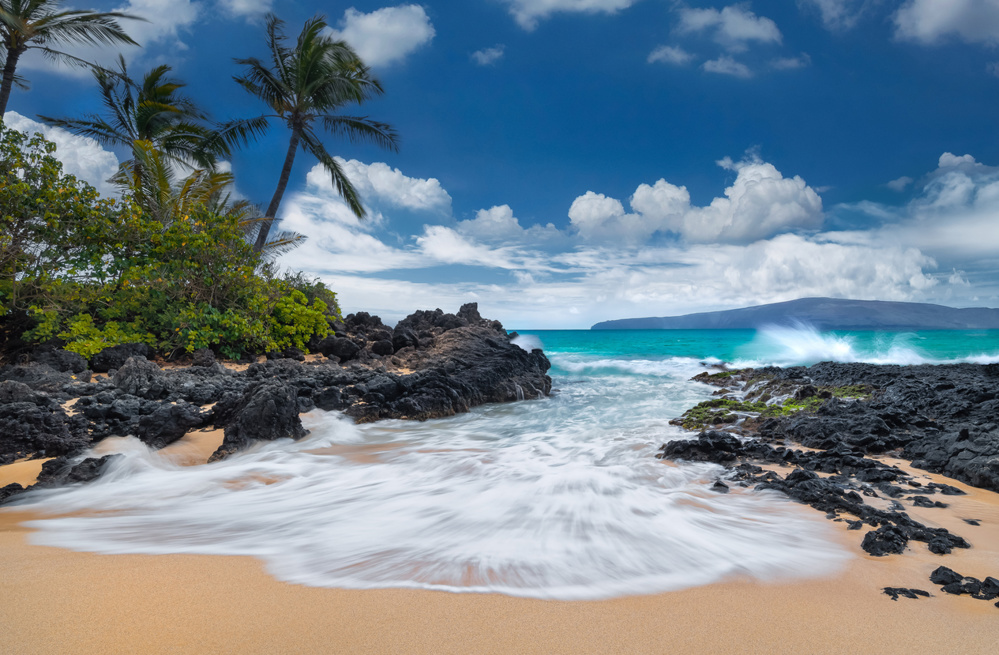
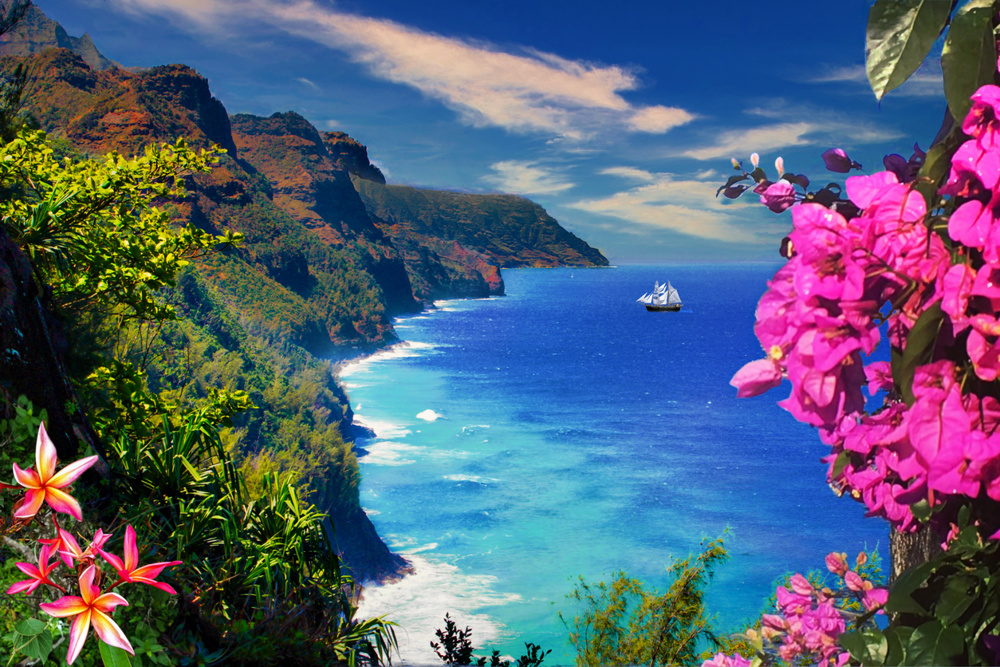
Beach travel has become one of the most recognizable symbols of escape in modern pop culture. Whether it's a tropical island in a blockbuster film, or a celebrity vacation shared across social media, beaches are constantly presented as places where people can relax, celebrate, and leave everyday life behind. These images have shaped how millions of people imagine the perfect holiday.
Today, those influences continue to grow through streaming platforms, social media, and digital travel content. Every generation discovers beaches through its own favorite songs, television shows, and online creators, reinforcing the idea that coastal destinations are places where memories are made. The result is a travel trend that remains deeply connected to both entertainment and everyday lifestyle culture.
How Movies, Music, and TV Made Beach Travel Feel Mandatory
Long before social media encouraged people to document every vacation, films and television had already convinced audiences that beach travel represented the perfect escape. Classic surf movies introduced viewers to a carefree lifestyle built around sunshine, waves, and endless summers, while romantic comedies and family adventures frequently used coastlines as the setting for life-changing moments. These stories helped create an emotional connection between beaches and the idea of happiness.
Television continued reinforcing that image for decades. Series such as Baywatch, The O.C., Outer Banks, and Hawaii Five-0 showcased beaches as places filled with excitement, romance, adventure, and community. Even films like The Beach, Blue Crush, and Forgetting Sarah Marshall inspired audiences to imagine themselves visiting the same beautiful locations they saw on screen. The scenery became just as memorable as the characters themselves.
Over time, these repeated portrayals created a powerful cultural expectation. Beaches were no longer viewed simply as places to swim or relax—they became symbols of freedom, friendship, and unforgettable experiences. Popular entertainment helped transform coastal destinations into dream vacations that many people still hope to experience for themselves.
The Beach Destinations That Defined Pop Culture Travel
Some beach destinations have become famous not simply because of their natural beauty but because pop culture continues placing them in the spotlight. Hawaii has long represented the classic tropical getaway, while Malibu became associated with California's surfing lifestyle and celebrity culture. Ibiza developed a reputation for nightlife and music festivals, and Tulum emerged as one of the most photographed luxury beach destinations in the social media era.
Other locations have achieved similar recognition through their appearances in entertainment and travel media. Cancun, the Maldives, Bora Bora, and Australia's Gold Coast frequently appear in travel magazines, documentaries, and streaming series that highlight spectacular scenery alongside local culture. As audiences repeatedly encounter these destinations, they become instantly recognizable symbols of dream vacations.
This constant visibility has helped certain beaches become cultural landmarks rather than ordinary tourist attractions. Travelers often arrive feeling familiar with these places because they have already experienced them through movies, television, music videos, advertisements, and online travel content. Pop culture has transformed these destinations into shared experiences long before many visitors ever step onto the sand.
Why Beach Content Wins on Social Media Every Time
Beach photos consistently perform well across social media because they combine beautiful scenery with universal appeal. Bright blue water, golden sand, colorful sunsets, and clear skies naturally capture attention while creating images that people immediately associate with relaxation and happiness. These visual qualities make beach content especially effective on platforms driven by photography and short videos.
Social media algorithms also reward content that generates strong engagement, and beach vacations often encourage comments, shares, and saves. Travelers post sunrise walks, surfing adventures, beachfront cafés, and ocean views that inspire others to dream about future holidays. Even simple moments, such as reading under a palm tree or watching waves roll onto the shore, communicate a lifestyle many people aspire to enjoy.
As more creators share coastal experiences, beaches continue dominating travel trends online. Hashtags, travel reels, and destination guides spread rapidly across platforms, introducing audiences to both famous resorts and hidden coastal towns. Social media has transformed beach travel into one of the internet's most recognizable and widely shared forms of visual storytelling.

How Beach Fashion Became Part of Pop Culture
Beach fashion has evolved alongside beach travel, becoming one of the most recognizable expressions of summer style. Swimwear, sunglasses, straw hats, sandals, linen clothing, and colorful resort wear regularly appear in fashion magazines, celebrity photo shoots, and lifestyle campaigns. These styles help define the relaxed yet stylish image that many people associate with coastal vacations.
Entertainment has played a major role in popularizing beach fashion. From the swimsuits featured in Baywatch to modern resort collections inspired by tropical destinations, films and television have introduced trends that quickly moved into everyday wardrobes. Social media creators continue this tradition by sharing vacation outfits, packing guides, and seasonal fashion inspiration before every summer travel season.
Today, beach fashion represents much more than practical clothing for warm weather. It reflects a broader lifestyle associated with travel, confidence, and leisure. Whether someone is visiting an exotic island or spending the weekend at a local beach, these styles allow travelers to participate in the same visual culture that has been celebrated across entertainment for decades.
How Wellness Culture Made the Beach Feel Like a Necessity
Modern wellness culture has expanded the role of beaches beyond recreation by presenting them as places that support both physical and mental well-being. Many travelers now view coastal destinations as opportunities to disconnect from busy schedules, spend time outdoors, and recharge in natural surroundings. Gentle ocean waves, fresh sea air, and open landscapes have become closely associated with relaxation and stress relief.
Activities such as yoga on the sand, meditation sessions, beach walks, paddleboarding, and swimming all contribute to this growing wellness movement. Rather than focusing only on sightseeing, many travelers now seek experiences that improve their overall well-being while allowing them to reconnect with nature. Coastal resorts have responded by offering wellness retreats, fitness programs, and spa experiences centered around the beach environment.
This shift has changed how people plan vacations. Beaches are no longer seen simply as places for sunbathing but as destinations where travelers can restore both mind and body. Wellness culture has added another layer of meaning to beach travel, making it appealing to visitors looking for healthier and more balanced experiences.
Food, Festivals, and Culture: What Modern Beach Trips Actually Look Like
Today's beach vacations often extend far beyond relaxing on the sand. Many travelers now plan itineraries that include seafood restaurants, local markets, cultural festivals, cooking classes, live music, and historical attractions alongside traditional beach activities. Coastal communities have become destinations where visitors can experience regional culture as well as beautiful scenery.
Food has become one of the highlights of many beach trips. Travelers look forward to tasting freshly caught seafood, regional specialties, tropical fruits, and traditional recipes prepared by local chefs. Beach festivals celebrating music, surfing, fishing, and local heritage provide additional opportunities to connect with the communities that make each destination unique.
This broader approach has made beach travel far more immersive than in previous decades. Visitors want experiences they can remember long after returning home, whether that means learning to prepare a local dish, attending a seaside festival, or exploring nearby fishing villages. The beach remains the centerpiece, but the surrounding culture has become an equally important part of the journey.
Why Travelers Now Want Beach Trips That Mean Something
Modern travelers increasingly look for vacations that offer more than beautiful scenery. While relaxing by the ocean remains a major attraction, many people also want experiences that reflect their interests, values, and curiosity about local culture. Beach destinations now offer opportunities to learn, connect, and create lasting memories rather than simply spending a few days in the sun.
This shift has encouraged visitors to explore local neighborhoods, support family-owned restaurants, participate in conservation projects, and attend community events during their trips. Activities such as snorkeling with marine guides, joining beach cleanups, visiting coastal museums, or taking traditional cooking classes allow travelers to engage more deeply with the places they visit.
Meaningful travel also creates stronger memories. Instead of remembering only the hotel or the weather, travelers often recall conversations with local residents, meals shared with friends, and experiences that taught them something new. These personal connections help transform a beach vacation into a story worth sharing long after the trip has ended.
How Beach Travel Became a Bucket-List Experience
For many people, visiting famous beaches has become a lifelong travel goal. Destinations such as Bora Bora, the Maldives, Hawaii, Santorini, the Seychelles, and Australia's Whitehaven Beach frequently appear on bucket lists because they represent the ultimate combination of natural beauty and unforgettable experiences. Their popularity has been reinforced through travel magazines, documentaries, and countless online recommendations.
Pop culture has strengthened this dream by constantly showcasing these destinations in movies, advertisements, celebrity vacations, and social media content. Travelers often spend years planning these trips because they have already imagined themselves visiting these iconic coastlines through the entertainment they consume. The destination becomes familiar long before the journey begins.
Although these beaches are known worldwide, the appeal extends beyond famous locations. Many travelers now seek hidden coastal villages, quiet islands, and lesser-known shorelines that offer equally memorable experiences without the large crowds. Whether famous or undiscovered, beaches continue representing adventure, discovery, and the excitement of exploring somewhere new.
Why the Beach Works for Every Type of Traveler
One reason beach travel remains so popular is its remarkable flexibility. Families can enjoy safe swimming areas and outdoor activities together, while couples often choose coastal destinations for romantic getaways and honeymoons. Solo travelers appreciate the relaxed atmosphere, and groups of friends find endless opportunities for adventure, dining, and entertainment.
Beach destinations also accommodate a wide range of budgets and travel styles. Luxury resorts, boutique hotels, vacation rentals, campgrounds, and budget-friendly hostels allow almost anyone to enjoy a coastal holiday. Visitors can spend their days surfing, hiking, sailing, exploring nearby towns, or simply relaxing by the water, depending on the kind of vacation they prefer.
This versatility keeps beaches relevant across generations. Children build sandcastles, teenagers enjoy water sports, adults seek relaxation, and older travelers appreciate scenic walks and peaceful ocean views. Few destinations adapt so naturally to such diverse interests, making beaches one of the world's most universally appealing travel experiences.
Why Pop Culture Keeps Sending Everyone Back to the Beach
Pop culture continues reinforcing the idea that beaches represent the perfect escape. Every summer brings new travel campaigns, music videos, fashion collections, films, and television series that celebrate coastal living. These repeated images keep beaches at the center of how people imagine vacations, ensuring they remain relevant year after year.
Social media has amplified this influence by allowing millions of travelers to contribute their own stories alongside those created by celebrities and entertainment companies. Vacation photos, travel vlogs, destination reviews, and beach-themed content constantly introduce new audiences to coastal destinations while inspiring future trips. The cycle continues as each generation creates its own version of the ideal beach holiday.
Rather than replacing earlier influences, modern platforms build upon decades of movies, music, and television that established beaches as symbols of freedom and happiness. Together, they continue reinforcing the enduring relationship between beach travel and pop culture escapism for audiences around the world.
Conclusion
Beach travel has become much more than a seasonal vacation choice. Through movies, television, music, fashion, celebrity influence, and social media, beaches have evolved into some of pop culture's most recognizable symbols of relaxation, adventure, and personal freedom. These influences have shaped how people dream about travel and continue inspiring new generations to explore coastlines around the world.
As pop culture continues to evolve, beaches remain one of its most enduring settings. Whether people discover a beach through a favorite movie, a summer playlist, an influencer's travel posts, or a family tradition, coastal destinations continue to capture the imagination. They remain one of pop culture's most enduring symbols of adventure, relaxation, and escape.