
Ocean Adventure Trivia: Snorkeling, Beaches, and Coastal Fun Facts
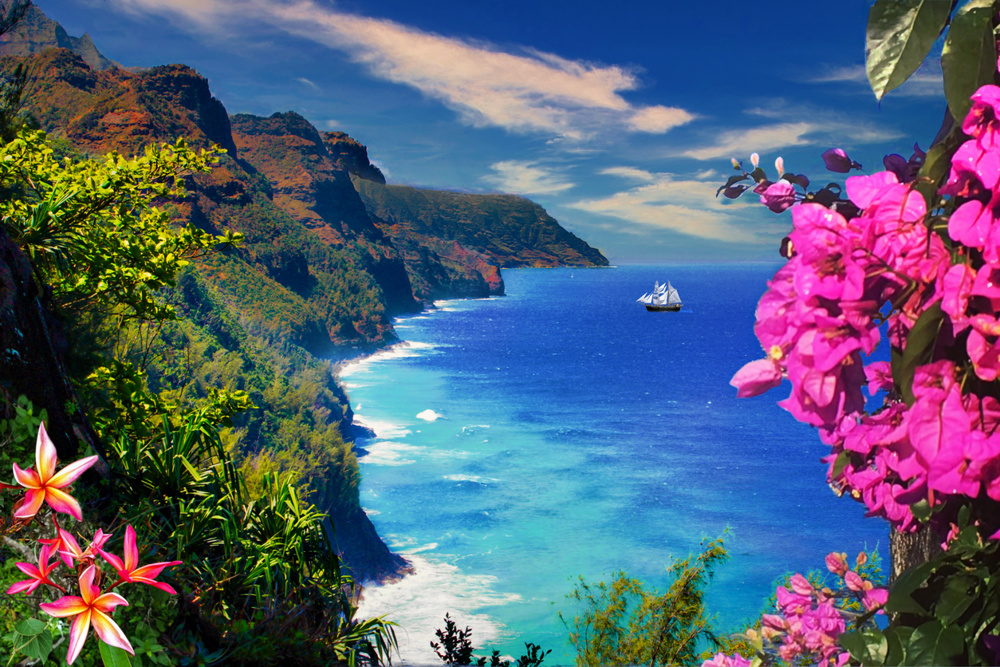
The world's oceans have fascinated explorers, scientists, and travelers for centuries. They cover more than 70% of Earth's surface, yet much of what lies beneath the waves remains unknown. Whether you're snorkeling above colorful coral reefs, walking along a beach with unusual sand, or simply watching the tide roll in, the ocean offers endless opportunities to discover something surprising.
From record-breaking marine animals to glowing beaches and mysterious underwater landscapes, the ocean is filled with remarkable stories waiting to be explored. These fun facts reveal just how extraordinary the sea really is while highlighting why oceans continue inspiring travelers, storytellers, and adventurers around the world.
How Deep Is the Ocean Really?
The ocean is far deeper than most people imagine. Its deepest known point, Challenger Deep in the Mariana Trench, reaches nearly 11 kilometers below the surface. To put that into perspective, if Mount Everest were placed inside the trench, its summit would still remain underwater. Distances like these help explain why the deep ocean continues to challenge even today's advanced technology.
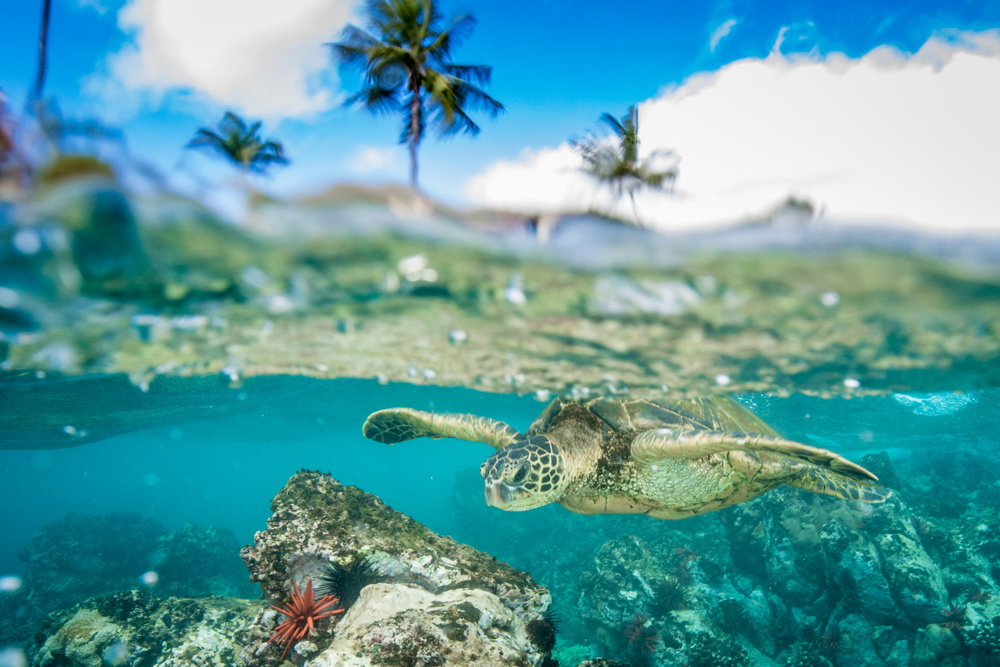
Most people experience only a tiny fraction of this underwater world. Snorkelers, swimmers, and recreational divers usually stay within the sunlit upper layers, where coral reefs, tropical fish, and sea turtles thrive. Beneath those familiar waters, however, sunlight gradually disappears, temperatures drop dramatically, and pressure increases to levels capable of crushing ordinary equipment.
Scientists estimate that the vast majority of the ocean remains unexplored. Every expedition continues revealing new species, unusual geological formations, and ecosystems that survive under conditions once thought impossible. The deeper researchers travel, the more they realize how much remains to be discovered beneath the surface.
Earth's Most Extreme Underwater Landmarks
The ocean floor contains some of the most remarkable natural landmarks on Earth, many of which remain hidden beneath thousands of meters of water. The Mid-Ocean Ridge stretches for more than 56,000 kilometers, making it the planet's longest mountain range. Although larger than any mountain chain on land, most people never see it because it lies almost entirely beneath the sea.
Along this enormous ridge, hydrothermal vents release mineral-rich water heated by volcanic activity deep inside the Earth. Instead of relying on sunlight, entire ecosystems survive using chemical energy produced around these vents. Strange creatures such as giant tube worms, unusual shrimp, and specialized bacteria have adapted to conditions unlike anywhere else on the planet.
Elsewhere, enormous abyssal plains spread across the seafloor, creating some of Earth's flattest landscapes. These remote regions receive little attention compared to coral reefs or tropical islands, yet they cover vast areas of the planet. Together with deep trenches and underwater volcanoes, they remind us that some of Earth's most extraordinary landscapes remain completely hidden beneath the ocean.
Why Snorkeling Became One of the World's Favorite Vacation Activities
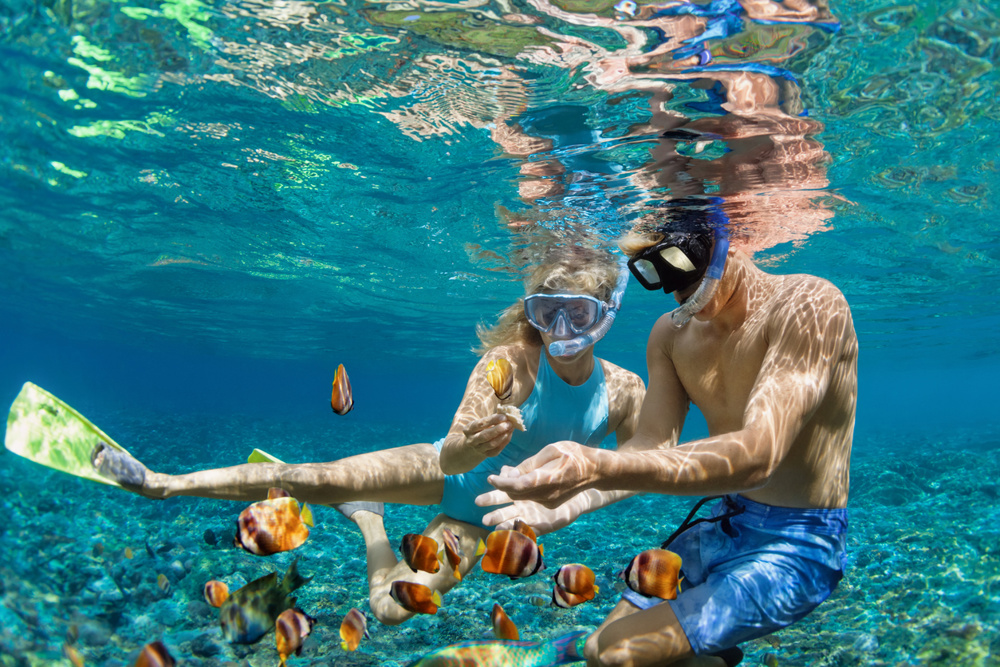
Snorkeling has become one of the most popular ocean adventures because it allows almost anyone to experience marine life without extensive training or expensive equipment. With little more than a mask, snorkel, and fins, travelers can observe colorful fish, coral reefs, sea turtles, and other marine animals in their natural habitat. The activity combines exploration, relaxation, and education in a way that appeals to families, couples, and solo travelers alike.
Many of the world's best snorkeling destinations are located in tropical regions known for their clear water and thriving coral ecosystems. The Great Barrier Reef in Australia, Hanauma Bay in Hawaii, the Maldives, Belize's barrier reef, and the Caribbean all attract visitors hoping to experience vibrant underwater scenery firsthand. These locations have become bucket-list destinations for travelers seeking unforgettable ocean adventures.
Beyond its recreational appeal, snorkeling encourages a deeper appreciation for marine conservation. Seeing coral reefs and marine wildlife up close often inspires visitors to learn more through snorkeling and ocean adventures trivia, making every trip both educational and memorable. Many guided snorkeling tours now include educational information about reef preservation, responsible tourism, and the importance of reducing pollution to help keep these underwater environments healthy for future generations.
The Longest and Largest Structures in the Sea
Not all of the ocean's greatest records involve incredible depth. Some of its most impressive features stretch across enormous distances, demonstrating the sheer scale of the underwater world. The Mid-Ocean Ridge remains the longest mountain range on Earth, extending continuously through every major ocean basin and connecting underwater volcanic systems around the globe.
The Great Barrier Reef represents another extraordinary record. Stretching for roughly 2,300 kilometers along Australia's northeastern coast, it is the world's largest coral reef system and one of the few living structures visible from space. Home to thousands of species of fish, corals, sea turtles, sharks, and marine mammals, it supports one of the richest ecosystems on the planet.
These giant underwater formations also play an important role in tourism and scientific research. Travelers visit them to snorkel, dive, sail, and observe wildlife, while researchers study their geology and biodiversity to better understand how oceans function. Their enormous size reminds us that some of Earth's greatest natural wonders exist beneath the waves rather than above them.
Who Produces Most of the Oxygen You Breathe?
Many people assume forests provide most of Earth's oxygen, but the oceans actually play an even larger role. Tiny marine organisms known as phytoplankton, together with algae and other microscopic plants, produce a significant portion of the oxygen that supports life on Earth. Although invisible to the naked eye, these organisms perform photosynthesis on an immense scale.
Floating near the sunlit surface, phytoplankton absorb carbon dioxide and release oxygen while forming the foundation of countless marine food webs. Small fish feed on them, larger fish eat those smaller species, and eventually entire ocean ecosystems depend on this microscopic life. Without these tiny organisms, many marine animals—and humans—would struggle to survive.
The next time you visit the beach or explore a coral reef, it's worth remembering that the ocean contributes to every breath you take. This hidden connection highlights how closely human life depends on healthy marine environments. Protecting oceans isn't just about preserving wildlife; it's also about safeguarding one of the planet's most important life-support systems.
The Fastest, Largest, and Oldest Marine Animals
Ocean life includes some of the most extraordinary animals on the planet. From enormous filter feeders to lightning-fast predators and creatures that can live for centuries, marine species continue to surprise scientists and wildlife enthusiasts alike. Every snorkeling or diving trip offers the possibility of encountering animals that seem almost unbelievable in size, speed, or longevity.
The whale shark holds the title of the world's largest fish, growing up to 40 feet (12 meters) long while feeding almost entirely on plankton. Sailfish are considered among the fastest fish in the ocean, capable of reaching speeds of around 68 miles (110 kilometers) per hour when chasing prey. Greenland sharks, meanwhile, may live for nearly 400 years, making them the longest-lived known vertebrates on Earth.
These remarkable animals demonstrate just how diverse ocean life can be. While some species are famous for their incredible physical abilities, others capture attention because of their unusual behavior or long life spans. Learning about these record-holders makes every visit to the ocean even more fascinating, as you never know what extraordinary creature may be swimming nearby.
What Makes Beach Sand Different Colors?
Not every beach has the same golden shoreline. Around the world, beaches display a surprising variety of colors, each created by different natural materials and geological processes. The color of the sand often tells a story about the landscape, volcanic activity, marine life, or minerals found in that particular region.
White sand beaches are common in tropical destinations because they are largely made from crushed coral and shells, much of it processed by parrotfish as they feed on coral reefs. Pink beaches, such as those found in the Bahamas and Bermuda, gain their color from tiny red-shelled marine organisms mixed with white sand. Black sand beaches in Hawaii and Iceland form when lava cools rapidly after flowing into the ocean, while Hawaii's famous green sand beach owes its unusual color to crystals of the mineral olivine.
These colorful coastlines have become popular travel attractions because they offer something visitors rarely see elsewhere. Beyond their visual appeal, they also reveal how geology and marine ecosystems work together to create some of the world's most distinctive landscapes.
Bioluminescent Beaches and Other Coastal Phenomena
Some coastal destinations become even more magical after sunset. Bioluminescent beaches glow with brilliant blue light when tiny marine organisms called dinoflagellates react to movement in the water. Every wave, paddle stroke, or footprint near the shoreline can create shimmering flashes that make the ocean appear illuminated from within.
Other beaches are known for equally unusual natural phenomena. Singing or "booming" sand beaches produce humming sounds when dry quartz grains rub together under the right conditions. Elsewhere, powerful tides reshape coastlines daily, while certain beaches appear to change color depending on sunlight, moisture, and the minerals present in the sand.
These rare events have fascinated travelers, photographers, and scientists alike. Many coastal destinations now offer guided nighttime tours to observe bioluminescence, while others attract visitors eager to witness unusual natural features firsthand. They remind us that beaches are dynamic environments where remarkable events occur far beyond the daytime scenery.
What Lives in the Gulf of Mexico?
The Gulf of Mexico supports one of the richest collections of marine life in the world. Its warm waters provide habitat for hundreds of fish species, dolphins, sea turtles, sharks, rays, seabirds, and countless smaller marine organisms. Coral reefs, seagrass beds, estuaries, and deep-water ecosystems all contribute to the Gulf's incredible biodiversity.
Snorkelers and divers exploring the Gulf may encounter colorful reef fish, gentle sea turtles, eagle rays, and even whale sharks during seasonal migrations. Coastal wetlands also serve as important nurseries where many marine species begin their lives before moving into deeper waters. This wide variety of habitats allows wildlife to thrive throughout the region.
The Gulf's rich ecosystems have made it an important destination for marine research, recreational fishing, boating, and eco-tourism. Protecting these waters helps preserve not only wildlife but also the coastal communities whose economies depend on healthy oceans and sustainable tourism.
Beach Records and Traditions From Around the World
Beaches are not only natural wonders—they are also home to traditions, celebrations, and world records that reflect the cultures surrounding them. Across different countries, coastlines serve as gathering places for festivals, sporting events, religious celebrations, and community traditions that attract visitors from around the world.
Brazil's Copacabana Beach hosts one of the largest New Year's Eve celebrations on the planet, drawing millions of visitors each year for fireworks, concerts, and cultural festivities. Beach volleyball, which became an Olympic sport in 1996, has grown into one of the world's most popular beach competitions. Historic seaside resorts, including Scarborough in England, helped establish beach vacations as a leisure tradition that continues today.
These events demonstrate that beaches are about much more than swimming or sunbathing. They bring people together through sports, music, celebrations, and local customs, making coastlines important cultural destinations as well as natural attractions.
The Most Unexplored Parts of the Ocean Left to Discover
Although scientists have learned an incredible amount about marine ecosystems, the majority of the ocean remains unexplored. Vast stretches of the deep sea have never been seen by human eyes, and every major expedition continues uncovering new species, unusual geological formations, and ecosystems unlike anything previously documented.
The deepest parts of the ocean remain particularly mysterious. Hadal trenches, including Challenger Deep within the Mariana Trench, experience crushing pressure, near-freezing temperatures, and complete darkness. Despite these extreme conditions, researchers continue finding remarkable organisms that have evolved to survive where life was once thought impossible. Advanced submersibles, remotely operated vehicles, and underwater robots are gradually revealing these hidden environments.
The ocean still holds countless unanswered questions, making it one of Earth's last great frontiers. Every discovery reminds us that exploration is far from complete. Whether scientists are studying deep-sea creatures or mapping unexplored seafloor, each mission expands our understanding of a world that remains largely hidden beneath the surface.
Conclusion
From vibrant coral reefs and colorful beaches to enormous underwater mountain ranges and mysterious deep-sea trenches, the ocean is filled with remarkable facts that continue to surprise scientists and travelers alike. Every snorkeling trip, coastal vacation, or visit to a marine reserve offers an opportunity to experience just a small part of this vast underwater world while discovering the incredible diversity of life it supports.
Whether you're answering trivia questions, planning your next beach vacation, or simply enjoying a nature documentary, the ocean offers endless opportunities to learn something new. Its combination of science, adventure, travel, and storytelling ensures that every journey to the coast brings new discoveries waiting just beneath the surface.